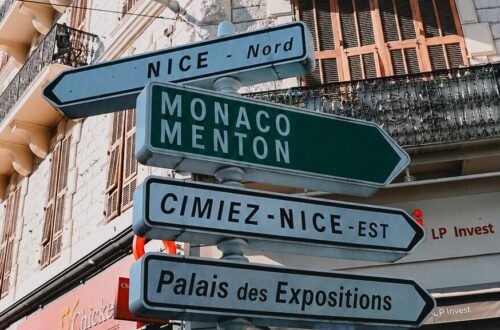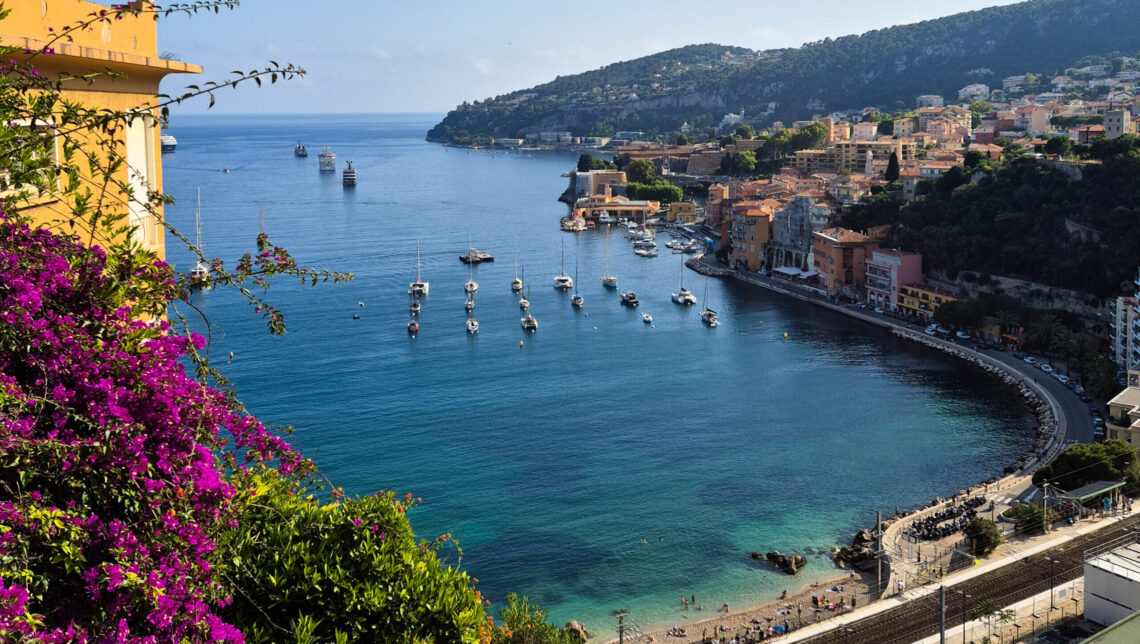
The French Riviera is absolutely doable without a car. But only if you plan it in the right order.
Most people arriving without a car treat the South of France like a bucket list to tick off — Nice on Monday, Monaco on Tuesday, Èze on Wednesday, Cannes on Thursday. On paper that looks efficient. In practice it looks like standing on a hot platform at 3pm wondering why you’re exhausted and you’ve barely seen anything.
Without a car, the French Riviera becomes a logistics puzzle. The coast stretches roughly 50 kilometres. Some towns are 7 minutes apart by train. Others require two buses and 45 minutes of patience. The geography isn’t complicated, but it’s unforgiving if you plan by name rather than by position.
This is the article I wish someone had handed me before my first car-free Riviera trip (I did both versions).
Traveling the French Riviera by Public Transport: The Short Version
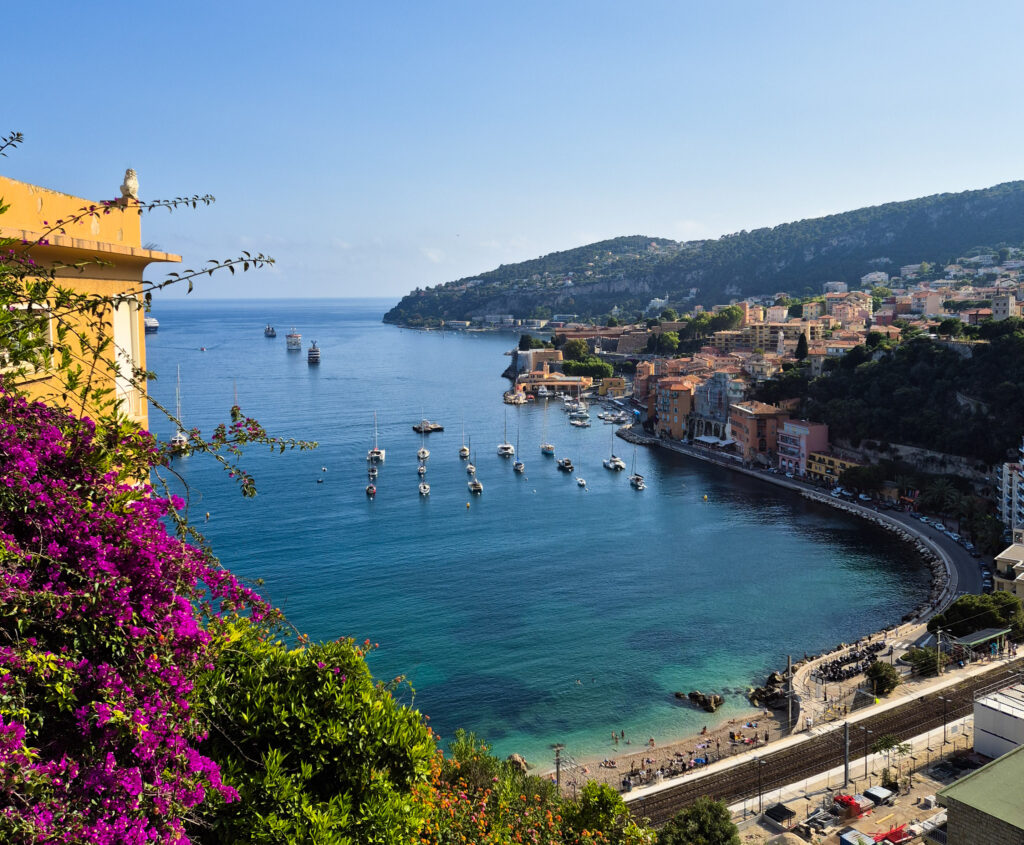
Can you successfully travel the French Riviera without a car? Properly, not just “fine”? Yes.
The regional TER train line spans the entire coast from Cannes in the west through Nice to the Italian border, hitting Villefranche, Èze-sur-Mer, Monaco, Cap-Martin, and Menton. It runs every 20-30 minutes, costs €3.50 to €12 per single journey depending on distance, and has some of the best sea views of any train in Europe if you sit on the right side.
Nice is the best base for most first-time travellers. Everything west of Nice (Antibes, Cannes) and everything east (Monaco, Menton) is reachable without backtracking if you structure days in one direction at a time.
Bus works better than train for hill towns — Èze village, La Turbie, the Corniche roads. The public transit system is a mix of Nice’s local Lignes d’Azur network and the regional ZOU! network. Together they cover the coast and the hills, but frequency varies significantly and that matters more than people realise.
Walking is what you do once you arrive. Driving inside these towns is either prohibited, pointless, or a parking nightmare anyway. Not having a car is genuinely an advantage within the towns themselves.
CUSTOM ITINERARIES
Doing it by train? Get the route logic built.
The trains are great — until you’re figuring out which station, which platform, which side of the carriage. The Custom Route maps it all: every train, every platform, every backup.
Who a Car-Free French Riviera Itinerary Actually Works For
Before you plan anything, be honest about whether this style of trip matches how you travel.
Car-free works well for:
- First-time Riviera visitors who want to experience the coast without the stress of driving on unfamiliar narrow roads
- Couples or solo travellers staying 4-7 days in one base
- People who want a walking, wandering, flexible trip rather than a structured driving tour
- Anyone who finds driving abroad more stressful than enjoyable
- Travellers staying in Nice, Antibes, Monaco, or Menton with easy station access
Car-free gets complicated for:
- Anyone trying to visit more than 2-3 towns in a single day
- Travellers who want deep access to rural Provence or remote villages (the train doesn’t go there)
- People expecting every charming spot to be easy by public transport — some of the most beautiful places on this coast have infrequent or seasonal bus service
- Families with very young children and lots of kit
If you’re expecting to drive to a different village every afternoon on a whim, a car genuinely serves you better. But if you’re staying somewhere central and day-tripping along the coast, you probably don’t need one at all.
Where to Base Yourself
Your base determines almost everything: how long transfers take, how much energy you spend on logistics, and how your days feel.
Nice — right for most people. Nice is the transit hub of the entire Riviera. Trains east to Monaco and Menton, trains west to Antibes and Cannes, trams into the city centre, direct line to the airport. If you’re doing a first Riviera trip and you don’t want to think too hard about transport, base yourself in Nice and work outward in each direction.
Antibes — if you’re leaning west. Antibes sits between Nice and Cannes, which makes it a smart base if your priorities are the old town, the Cap d’Antibes coastline, and Cannes. Less busy than Nice, better food scene per square metre, still well-connected. If your trip is more about Cannes than Monaco, Antibes makes more sense than Nice.
Menton — if you want peace and don’t mind being further east. Menton is roughly 40 minutes from Nice by train, directly on the Italian border, and has a fraction of the crowds of anywhere more famous. If your priority is a quiet, beautiful base with day trips radiating outward, Menton is the underrated answer. Monaco is just a 12-minute train ride west. Easy.
One golden rule regardless of where you choose: pick exactly one base for your entire stay and day-trip outward. Moving accommodation with no car on the Riviera is logistically tiring and eats time you’d rather spend on the coast.
How French Riviera Public Transport Actually Works
This is where most articles get vague. Here’s how it actually functions.
The coastal train is your main tool. The TER line from Nice to Ventimiglia (Italy) is one of the best value rail lines in Europe. It hugs the coastline, has frequent departures (every 20-30 minutes), and connects almost every town that matters. Instead of buying point-to-point tickets, leverage 2026’s best transit secret: the Pass SudAzur Explore. For €35 (3 days) or €50 (7 days), you get unlimited trains, trams, and regional buses across the entire region — including Monaco’s city buses.
If you use a digital ticket via SNCF Connect, it’s pre-validated. If you buy a physical paper ticket at a station machine, you must punch it in the yellow validators before boarding to avoid steep fines.
One critical thing: sit on the right side going east from Nice. The sea views appear and disappear through tunnels in a way that’s genuinely extraordinary. On the wrong side you see a cliff wall.
Buses are for the hills and the gaps. The Lignes d’Azur and ZOU! networks cover routes the train doesn’t reach — Èze village (Bus 83 from the coastal train station, or Bus 602 directly from Nice’s Vauban transit hub), the Moyenne Corniche, connections around Cap Ferrat. Check the live schedule rather than the published timetable, because midday frequency on some routes has gaps of 60-85 minutes. Missing a bus to Èze village in July at 1pm and waiting 80 minutes in the heat is a specific kind of miserable.
One route worth knowing: Bus 600 (the successor to the legendary Bus 100) runs the Basse Corniche from Nice all the way to Monaco and Menton for €2.10 with tap-to-pay onboard, or €2.50 cash. It’s slow — coastal traffic makes the train significantly faster — but it’s the most scenic and iconic budget bus route on the coast, and it’s worth doing once.
Walking is unavoidable — and mostly good. Most Riviera towns are designed to be walked once you’re inside them. The problem is elevation: Monaco has free public cliff elevators most visitors never find. Villefranche’s old town drops steeply toward the harbour. Èze village is 429 metres up and the path from the coast — the famous, gruelling Nietzsche Path — involves roughly 900 stone steps. Plan for this. “It’s just a short walk” on the Riviera rarely means flat.
Taxis and Uber are a backup, not a strategy. Nice to Monaco by Uber is €55-80. The train is €6.00. The taxi becomes reasonable for late nights when trains get infrequent, or for airport transfers with luggage. Don’t build your day plan around them.
Plan Your Trip
You’ve picked the base. Build the days.
Two ways to take the next step.
Or try a single day for €29 first. Email me if you’re unsure.
“The recovery day on day 4 saved the trip.“
Ranking the Best French Riviera Towns by Car-Free Accessibility
Not every destination on the coast is equally easy to access without a vehicle. Here is an honest breakdown:
Saint-Jean-Cap-Ferrat: 6/10. The trickiest on this list. The peninsula has limited bus service and the main road lacks continuous pedestrian sidewalks. Best approached by taking the train to Beaulieu-sur-Mer and walking the flat, beautiful Promenade Maurice Rouvier to the port (20 minutes), or taking Bus 15 from Nice.
Nice: 10/10. Train station central, the whole old town is walkable, plus the markets, Castle Hill, and the port. You could spend three days here without a car and never feel restricted. The tram connects directly to the airport.
Villefranche-sur-Mer: 10/10. Just 7 minutes by train from Nice (€3.50 each way). The station drops you 5 minutes downhill from the harbor. One of the easiest and most rewarding half-day destinations on the whole coast.
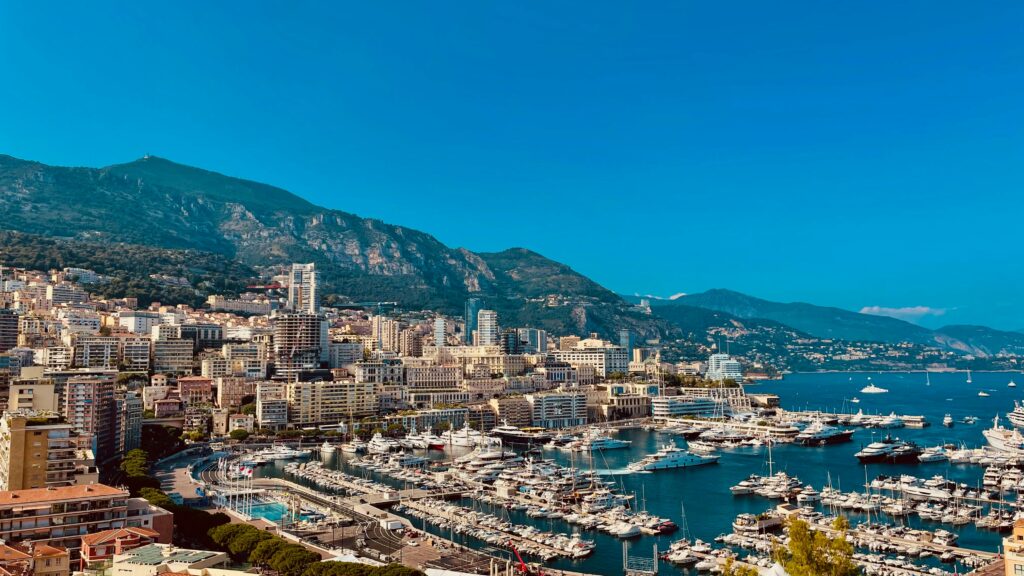
Monaco: 9/10. Train right into Monaco-Monte-Carlo station, then walk or use the free public cliff elevators to move between levels. The Principality is tiny — it’s designed to be walked, not driven.
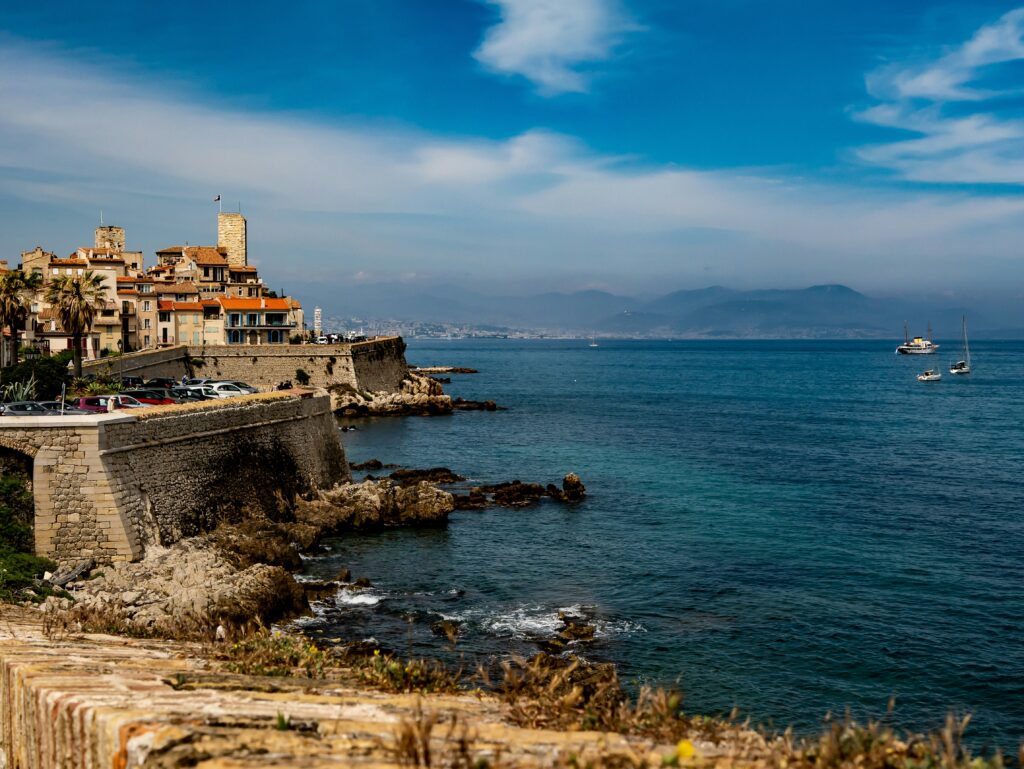
Antibes: 9/10. Direct train from Nice (about 25 minutes). The station is an easy walk to the historic old town. The outer Cap d’Antibes coastline requires either a bus or a long walk, but the core town is highly accessible.
Èze: 7/10 (Nuanced). Èze-sur-Mer (the coastal stop) is right on the train line. Èze Village (the medieval clifftop town) sits high above it. You must take Bus 82 or Bus 602 directly from Nice’s Vauban transit hub straight to the village gates, catch Bus 83 up from the coastal train station, or tackle the steep Nietzsche Path hike.
Menton: 9/10. Direct train from Nice (about 40 minutes). The historic old town, pastel alleys, markets, and clifftop cemetery views are completely walkable.
Cannes: 9/10. Train from Nice (about 40 minutes). The Croisette, the old town, and the harbor are all easily walkable right from the train station.
5 Common Mistakes to Avoid
Planning by name rather than by geography. Picking “Nice, Monaco, Cannes, Èze, Villefranche” as your five days without looking at a map first means you’ll be zigzagging the coast constantly. Cannes is west. Monaco is east. They’re not neighbours.
Trying to do too many towns in one day. Three towns in one day sound manageable on paper, but it usually means arriving at each place slightly late, sweaty, and rushed. Stick to two destinations maximum.
Assuming Google Maps knows the Riviera. Google will route you on buses that technically exist but run three times a day. It will suggest walking routes that involve climbing a cliff. It will tell you a journey takes 12 minutes and leave out the 20-minute walk to the station at each end. Verify everything against the Lignes d’Azur, ZOU!, and SNCF apps directly.
Ignoring the hills. The French Riviera is not flat. Èze village is 429 metres up. Monaco’s old town involves a cliff elevator or a serious walk. Villefranche’s station is uphill from the harbour. “It’s just a 10-minute walk” on a map can be 10 minutes of steep stone steps in August heat. Plan for it or it will catch you.
Forgetting about the last train. On weeknight evenings, frequency on the coastal line drops. The last train from some stops is earlier than you’d expect. Staying for dinner in Villefranche or Menton is wonderful — just check what time you need to leave before you order dessert.
Changing your base too often. Moving hotels without a car on the Riviera means luggage, taxis, time, and stress. Pick one base, stay there, day-trip outward. The packing and unpacking costs you half a day every time.
Practical Tips Before You Go
Keep this short:
Build days in clusters, not lists. East one day, west another.
Check the Lignes d’Azur and ZOU! live apps for buses on the day, not the published timetable.
Validate your train ticket before boarding if it’s a physical ticket — digital tickets bought via app are pre-validated.
Leave buffer time between town and station. These are walking destinations, not drive-up ones.
Don’t overpack the schedule. Two or three things properly is better than five things rushed.
Bring water and good shoes. Always. Non-negotiable.
One More Thing
There’s a version of car-free Riviera planning that works smoothly — and a version that works in theory but creates chaos on the ground. The difference almost always comes down to the order you visit things, the base you choose, and how the timing fits together across your specific dates.
This article gives you the logic. A custom plan gives you the specifics: your hotel, your pace, your dates, your priorities — routed in the right order with realistic timing, transport fallbacks, and restaurant suggestions that aren’t just the ones every other guide recommends.
If you want the map drawn for you rather than having to figure out the puzzle yourself — that’s what I do →
Get the 3-day plan for whichever base you pick
Three tested day plans — one for a Nice base, one for Antibes, one for Menton. Train timings, walking routes, and the small details that turn a good day into a great one.
Join 200+ travelers who get the planning math before the trip.
Last updated: July 2026. Train frequencies and bus routes verified against SNCF Connect and Lignes d’Azur at time of writing. Always check live schedules before your travel dates — seasonal timetables change, particularly on bus routes.